
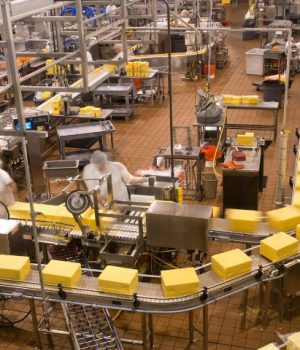
Flooring That Meets the Toughest Standards in Food Safety
Running a food processing plant or factory means your flooring isn’t just part of the building – it’s part of your food safety system. Every crack, every joint, every area that’s hard to sanitize can become a liability.
That’s why more facilities across Toronto and the GTA are choosing food processing epoxy coatings: they are seamless, sanitary, slip-resistant, and designed to meet strict health and safety regulations like HACCP, CFIA, FDA, and Health Canada standards.
Why Floors in Food Plants Can’t Be “Normal Floors”
For many food processing plants, a properly installed food-grade epoxy or urethane floor coating is one of the best options because it creates a seamless, non-porous, cleanable surface that can stand up to washdowns, oils, acids, sanitizers, foot traffic, carts, and production equipment.
Best fit: food processing epoxy flooring is ideal for facilities that need sanitary floors, fewer contamination points, slip-resistance options, chemical resistance, and a surface that supports HACCP-style food safety programs, CFIA inspections, FDA expectations, and Health Canada-aligned sanitation practices.
Polished Floors helps food facilities choose a flooring system based on cleaning procedures, temperature, wet areas, chemical exposure, production traffic, downtime, and the condition of the existing concrete.
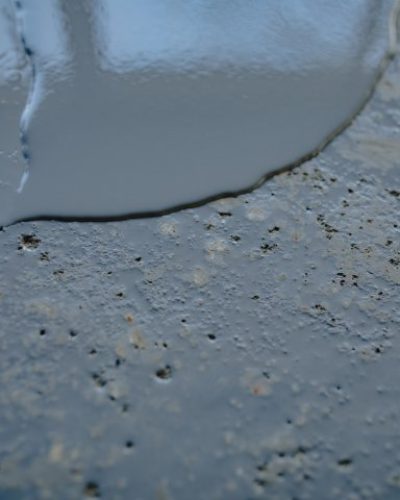
Flooring that supports food-safety programs
Epoxy flooring does not replace a facility’s food safety program, but the right floor system can help reduce sanitation risks and support inspection readiness.
- Seamless surfaces help reduce bacteria harborage points compared with cracked concrete or grout lines.
- Non-porous coatings help resist moisture, food residue, oils, and cleaning chemicals.
- Coved bases can be considered where walls and floors need easier cleaning transitions.
- Slip-resistant texture can be selected for wet production and washdown zones.
- Repairing cracks and joints before coating helps avoid weak points in the finished floor.
How Epoxy Flooring Helps With Compliance
Food safety isn’t optional. Our epoxy flooring systems are designed with regulatory compliance in mind:
- HACCP Certified Systems – Designed to minimize risk of contamination.
- CFIA & FDA Approved Materials – Coatings and topcoats safe for use in food facilities.
- Seamless & Non-Porous – Eliminates bacteria harborage points common in tile grout or cracked concrete.
- Chemical & Heat Resistance – Handles caustic cleaners, sanitizers, oils, acids, and boiling water.
- Slip Resistance – Custom traction levels to prevent worker injuries in wet or greasy environments.
This isn’t just about avoiding fines – it’s about protecting your brand, your workers, and your customers.
Food plant floors are part of the sanitation system
A food facility floor is not just a walking surface. It affects sanitation, inspections, worker safety, drainage, cleaning time, production uptime, and contamination risk.
Contamination Risk
Cracks, open joints, damaged concrete, grout lines, and porous surfaces can hold bacteria, residue, moisture, and food by-products.
Daily Washdowns
Food plants often use hot water, steam, sanitizers, degreasers, and chemical cleaners that weak floors cannot handle for long.
Oils, Acids, Sugars, and Fats
Food by-products can break down unprotected concrete and make cleaning harder if the floor is not properly sealed.
Wet and Greasy Areas
Processing, packaging, dish, washdown, and production areas may need a texture level that improves traction without making cleaning impractical.
Equipment and Cart Traffic
Floors need to handle carts, racks, pallet jacks, forklifts, production equipment, and repeated cleaning cycles.
Inspection Readiness
A clean, sealed, well-maintained floor supports audits and reinforces that the facility is managed with food safety in mind.
Book a Free Quote with Toronto’s Epoxy Flooring Experts
Ready to Upgrade Your Shop Floor? Your floors should work as hard as your team does. At Polished Floors, we bring performance, protection and polish to every garage, bay and showroom we touch.
Serving Toronto, Mississauga, Vaughan, Markham and across the GTA!
Call us today for an estimation: (905) 731-7085
Food processing floor coating options
| System or feature | Best for | Why it matters |
|---|---|---|
| Food-grade epoxy coating | Processing, production, packaging, and general food facility floors | Creates a seamless, protective surface over prepared concrete. |
| Urethane cement or urethane topcoat | Thermal shock, hot washdowns, chemical exposure, and demanding production zones | Can improve resistance to heat, chemicals, and aggressive cleaning. |
| Quartz or textured broadcast | Wet areas, washdown zones, production lines, ramps, and safety-sensitive areas | Adds traction while still supporting cleanability when specified correctly. |
| Crack and joint repair | Existing damaged slabs before coating | Reduces weak points and potential contamination pockets. |
| Cove base option | Rooms where floor-to-wall cleaning is critical | Helps create easier-to-clean transitions at walls and curbs. |
Our Food Processing Epoxy Coating Services
When we install epoxy in a food plant, we follow a meticulous process to guarantee performance:
- Moisture Testing & Surface Prep – Grinding concrete and ensuring no hidden moisture issues.
- Crack & Joint Repair – Filling and sealing weak points where bacteria could collect.
- Multi-Layer Food Grade Epoxy Coating – Building a durable base with food-safe resin layers.
- Antimicrobial & Food-Grade Topcoats – Inhibiting bacteria growth and meeting compliance.
- Slip-Resistant Additives – Quartz or grit blends to keep workers safe in wet conditions.
- Urethane or Polyaspartic Finishes – For extra chemical resistance and temperature stability.
- Fast-Cure Options – Minimize downtime so production isn’t halted for weeks.
Real Benefits for Food Plants
- Fewer Contamination Risks – No cracks or pores for bacteria to hide.
- Reduced Maintenance Costs – Floors last 10–15 years with minimal upkeep.
- Improved Worker Safety – Slip-resistant surfaces reduce injury risk.
- Faster Cleaning Times – Smooth, seamless floors cut hours off sanitation.
- Professional Appearance – A clean, polished facility passes inspections — and impresses clients.
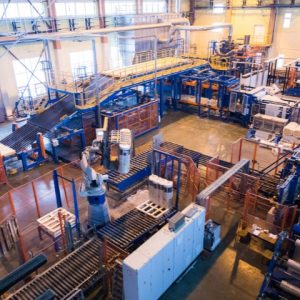
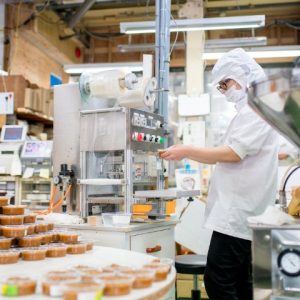
Food facility epoxy flooring applications
Meat and Poultry Processing
Sanitary flooring for wet areas, fats, proteins, washdowns, carts, racks, and strict cleaning routines.
Dairy and Beverage Production
Chemical-resistant flooring for lactic acids, carbonation, sugars, moisture, cleaning chemicals, and production traffic.
Bakeries and Confectionery
Floor systems for flour dust, sugars, oils, heat exposure, spills, equipment movement, and cleaning schedules.
Seafood Facilities
Wet-area flooring for brine, salt, moisture, cold rooms, cleaning, and traction-sensitive processing zones.
Cold Storage and Freezers
Flooring recommendations based on low-temperature use, condensation, cleaning, thermal movement, and traffic.
Packaging and Distribution
Durable, dust-reducing surfaces for packaging rooms, dry storage, forklift zones, and food distribution areas.
Our food facility epoxy flooring process
Step 1
Facility Review
We review production areas, washdowns, cleaning chemicals, temperature, traffic, drainage, downtime, and slab condition.
Step 2
Repair and Preparation
The concrete is cleaned, ground, profiled, repaired, and prepared so the floor system can bond properly.
Step 3
System Installation
The selected epoxy, urethane, texture, topcoat, or related system is installed for the facility’s needs.
Step 4
Cure and Handover
We review cure time, return-to-service timing, cleaning guidance, and maintenance expectations.
Food processing epoxy flooring across Toronto and the GTA
Polished Floors installs food facility epoxy flooring for processing, production, packaging, storage, and industrial clients throughout Toronto and surrounding GTA communities.
Frequently Asked Questions
How long does epoxy flooring last in a food processing plant?
With proper installation, food-grade epoxy coatings can last 10–15 years or more, even under constant cleaning and traffic.
Can epoxy flooring handle acids, oils and caustic cleaners?
Yes. We install chemical-resistant epoxy and urethane coatings that withstand organic acids (like lactic or citric acid), oils, and harsh disinfectants.
Is epoxy flooring HACCP/CFIA/FDA compliant?
Yes. We use certified materials and application methods that comply with food safety standards required in Canada and the U.S.
How quickly can a facility resume operations after installation?
With fast-cure epoxy or polyaspartic systems, many facilities are back to work in 24–48 hours.
Can epoxy be installed in freezers or cold storage?
Yes. We offer low-temperature epoxy systems designed to bond and cure in cold environments.
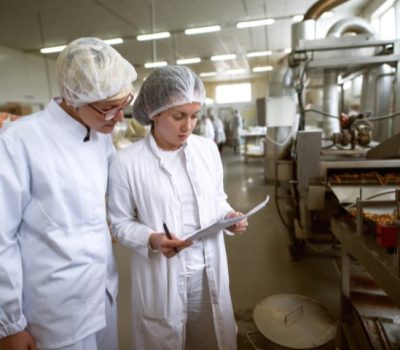
Upgrade Your Food Plant Floors Today
At Polished Floors, we’ve partnered with bakeries in Vaughan, beverage plants in Mississauga, meat processing facilities in Toronto and food distribution centers across the GTA. Our mission is simple: install epoxy flooring that keeps your facility compliant, safe, and efficient for years to come.
Call us at (905) 731-7085 today for a free site inspection and custom quote.