
When your concrete starts showing cracks, stains, or surface wear, the big question comes up: do you resurface it or replace it entirely? Both options can give you a stronger, safer, and better-looking floor, but the best choice depends on your space, budget, and long-term needs. Let’s break it down so you know what’s really worth it for your home or business.
What Is Concrete Resurfacing?
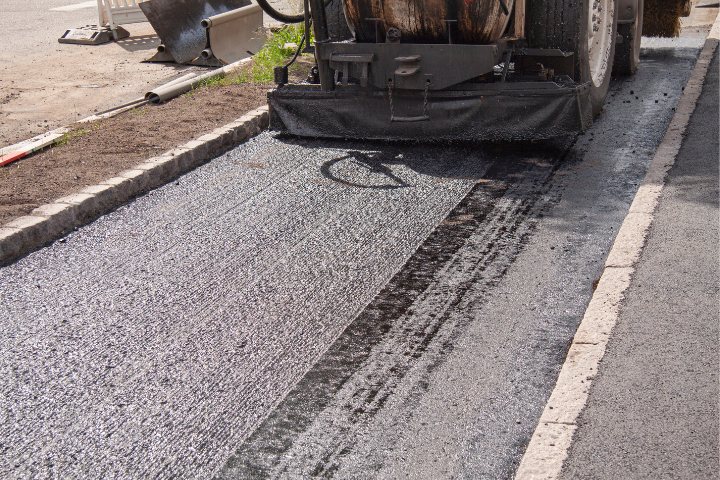
Concrete resurfacing is like giving your floor a fresh facelift without tearing everything out. A special overlay or coating is applied on top of the existing slab to cover imperfections, add strength, and create a polished or decorative finish.
Think of it as restoring what’s already there instead of starting from scratch. It’s a popular choice for worn driveways, basements, garages, and commercial spaces that need a boost without weeks of disruption.
Benefits of Resurfacing
- Cost-effective: Usually much cheaper than replacement.
- Time-saving: Projects are often completed in a fraction of the time.
- Style flexibility: Decorative finishes, stains, and polishing can give it a modern look.
- Sustainable: Less material waste compared to full demolition and replacement.
If you want to see how resurfacing transforms a dull space, check out our page on concrete polishing benefits.
What Is Concrete Replacement?
Concrete replacement is the full reset button. The old slab is demolished and removed, then fresh concrete is poured and finished. It’s more invasive, more costly, but sometimes absolutely necessary.
Replacement makes sense when the damage isn’t just skin deep. If the foundation is compromised or cracks run too deep, resurfacing won’t solve the problem long term.
Benefits of Replacement
- Fresh start: Completely new slab, no hidden issues underneath.
- Long-term durability: New concrete can last decades if properly maintained.
- Structural strength: Handles heavy loads and traffic better if the old slab was too weak.
Signs You Can Resurface Instead of Replace
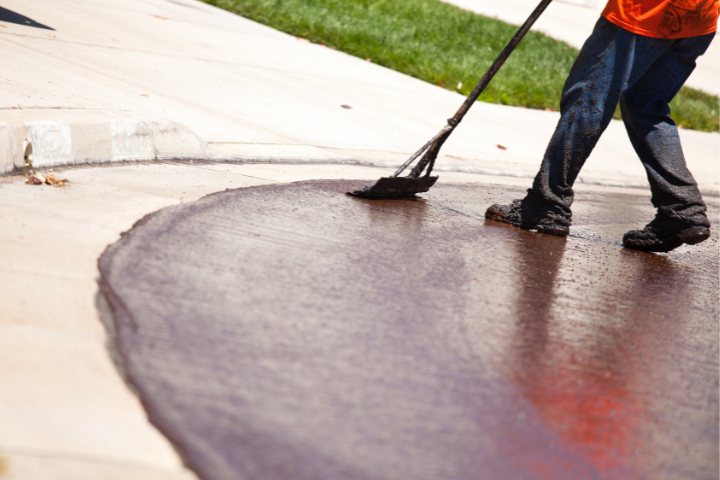
Choosing resurfacing can save thousands, but only if the slab is structurally sound. You can usually resurface if:
- Cracks are small and non-structural.
- Damage is mostly cosmetic (stains, minor pitting, or surface wear).
- The slab hasn’t shifted or sunk significantly.
- The base underneath is still strong and stable.
For example, if your basement floor has minor surface cracks or discoloration, resurfacing and polishing can bring it back to life without tearing up the whole space.
Signs You Need Full Replacement
Sometimes there’s no way around it: the concrete is too far gone. You’ll likely need replacement if:
- There are large structural cracks or deep fractures.
- The slab has major sinking, heaving, or uneven settling.
- Water damage or erosion has compromised the base.
- Repairs or overlays keep failing after short-term fixes.
If you’re in Toronto and dealing with extensive cracking, our concrete repair service can help determine whether resurfacing or replacement is the smarter move.
Cost Comparison
- Resurfacing: Generally ranges from one-third to half the cost of replacement. Decorative finishes and polishing add to the price but still keep it affordable.
- Replacement: Costs more upfront due to demolition, labor, and materials. However, it may pay off in longevity if your slab is beyond repair.
In short: resurfacing saves money now, replacement saves headaches later if the foundation is failing.
Time and Disruption
- Resurfacing: Quick turnaround, often just a few days depending on the size. Minimal dust and noise compared to demolition.
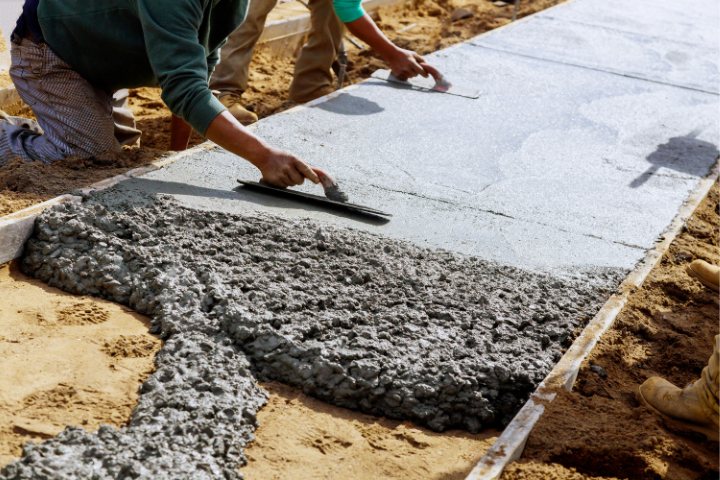
- Replacement: Weeks of work, including demolition, removal, pouring, curing, and finishing. Your space may be unusable during this time.
For businesses, the choice often comes down to downtime. A retail store or office can’t always afford weeks of closure, which is why resurfacing is such a popular choice for commercial projects.
Style and Design Options
One of the biggest perks of resurfacing is the ability to customize. Polished overlays, decorative stains, and even slip-resistant finishes can turn basic concrete into a statement floor. Replacement gives you the chance to start fresh with a new design, but it takes longer to reach that polished, finished look.
Long-Term Durability
Both resurfacing and replacement can deliver long-lasting results when done right. Resurfacing typically extends the life of an existing slab by 10–15 years, while full replacement can last 30 years or more. Your choice depends on how long you plan to stay in the space and how much wear and tear the floor will face.
Which Option Is Right for You?
Here’s a simple way to look at it:
- Go with resurfacing if… the slab is structurally sound, you want a cost-effective upgrade, and you’d like the project done quickly.
- Go with replacement if… the damage is severe, the slab is unstable, or you want a complete restart for decades of durability.
Still unsure? That’s where professional advice makes all the difference. An experienced flooring team can inspect your concrete, identify underlying issues, and recommend the best solution so you don’t waste money on short-term fixes.
Concrete floors are tough, but they’re not invincible. Whether resurfacing or replacement is the right choice comes down to condition, budget, and long-term goals. Resurfacing is often the smarter, faster, and more affordable option if your slab is still solid, while replacement guarantees a brand-new foundation when the damage runs deep.
Either way, the goal is the same: a floor that looks great, performs well, and lasts for years. With the right approach, you’ll save money, reduce downtime, and get a concrete surface that truly supports your space.