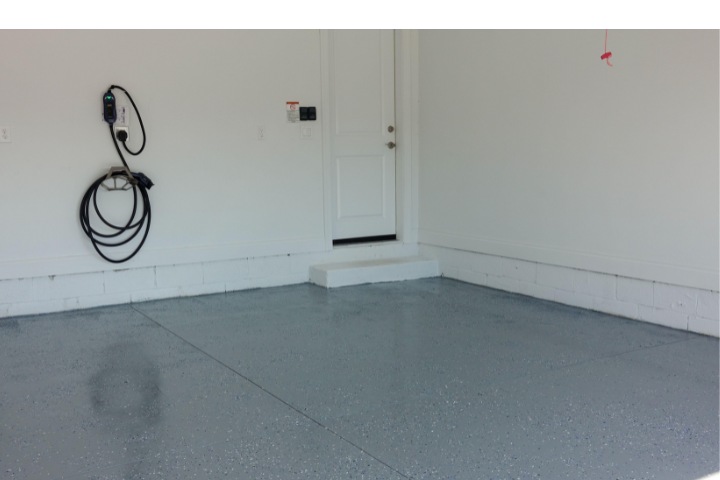
If your epoxy garage floor is starting to peel or bubble, you’re not alone. It’s one of the most common issues homeowners face after a DIY epoxy job or even a rushed professional installation. The good news is that peeling doesn’t mean your floor is ruined forever. With the right surface preparation and care, your epoxy floor can last for years without a single chip lifting.
Let’s go over why epoxy floors peel, how to fix them, and what steps you can take to prevent it from happening again.
Why Epoxy Floors Peel in the First Place
Most of the time, peeling epoxy isn’t about the product itself. It’s about the prep. Epoxy needs a clean, dry, and properly profiled surface to bond well. When one of those conditions is off, the coating starts to lift.
1. Poor Surface Preparation
If the concrete isn’t properly ground, etched, or cleaned before applying epoxy, the coating won’t stick. Dust, oil, or moisture create a thin barrier that blocks adhesion.
2. Moisture Under the Slab
Moisture is epoxy’s biggest enemy. When vapor rises from underneath the concrete, it pushes against the coating and eventually causes bubbling or peeling.
3. Applying Epoxy on a Smooth or Sealed Surface
Epoxy needs some texture to grab onto. If your garage floor was sealed before or is too smooth, the epoxy will just sit on top instead of bonding with the concrete.
4. Wrong Mixing Ratio or Temperature
Epoxy is sensitive to ratios and temperature. Too cold, too humid, or improperly mixed batches can lead to poor adhesion and eventual peeling.
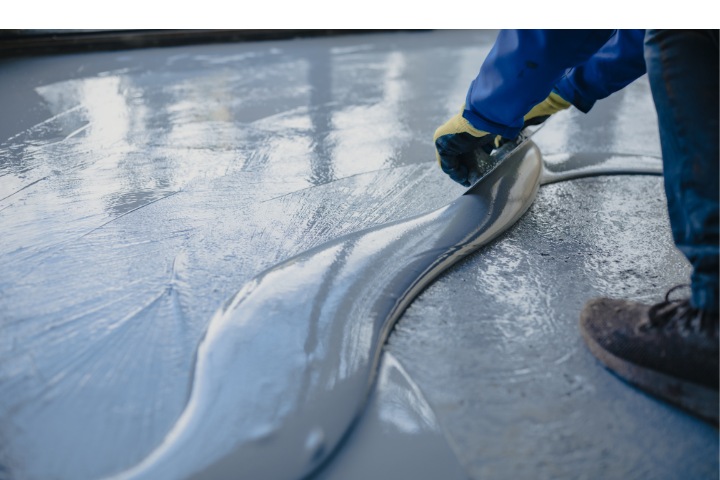
How to Fix a Peeling Epoxy Floor
If your floor is already peeling, you’ll need to repair those areas before reapplying any coating. Here’s what professionals usually do:
1. Remove the Damaged Epoxy
The peeling sections need to be completely ground off using a concrete grinder. Any weak or loose spots should go.
2. Clean and Test the Concrete
After grinding, the concrete should be vacuumed and moisture tested. This ensures no hidden vapor is causing issues.
3. Reapply a High-Quality Epoxy System
Once prepped, the surface can be recoated using a moisture-tolerant epoxy or polyaspartic coating. These are great for garages where humidity and temperature fluctuate.
If you want the job done right, check out our Garage Epoxy Flooring Services. We use industrial-grade grinders, moisture control systems, and coatings that can handle hot tires, road salt, and heavy use without peeling.
How to Prevent Peeling Before It Starts
Whether you’re installing a new epoxy floor or maintaining your current one, prevention makes all the difference.
1. Prep the Surface Properly
The concrete must be cleaned, etched, or ground before epoxy application. Think of it like sanding before painting. Skipping this step almost guarantees peeling later.
2. Test for Moisture
Before coating, always do a moisture test. If your floor shows signs of dampness, consider a moisture barrier primer or Concrete Resurfacing. It seals your floor and creates the perfect surface for epoxy to bond to.
3. Choose the Right Epoxy Product
Not all epoxies are equal. Some are made for light residential use, while others are industrial-grade and resist chemicals, oils, and heat from tires. Pick one made for garages.
4. Control the Application Conditions
Avoid applying epoxy in extreme heat or humidity. Most coatings cure best between 15°C and 25°C.
5. Maintain Your Floor
Regular cleaning keeps your epoxy floor in top shape. Use gentle detergents and avoid harsh chemicals that can weaken the coating.
When to Call a Professional
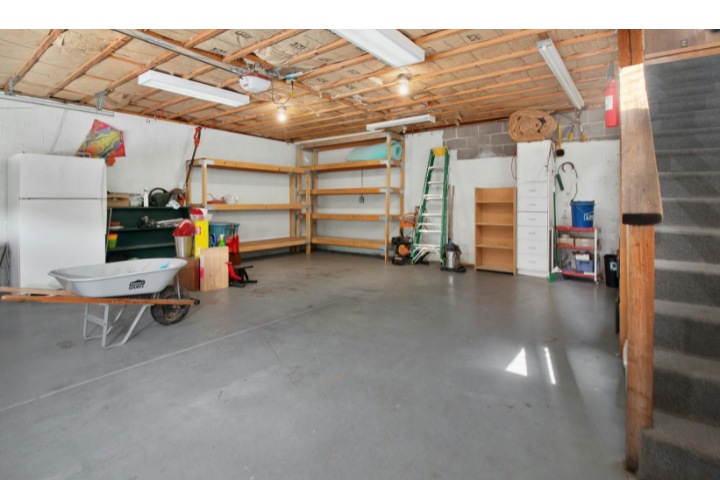
If you’ve already tried fixing it yourself and the peeling keeps coming back, it’s time to call a pro. Professional installers don’t just recoat the surface. They assess the concrete condition, check moisture levels, and use advanced prep tools to ensure long-lasting results.
At Polished Floors, we use diamond grinders to create the perfect surface for bonding and moisture control systems to stop vapor from lifting the epoxy. We also use professional-grade products designed for high-performance environments. That means better adhesion, longer lifespan, and zero peeling.
The Long-Term Benefits of Doing It Right
Properly installed epoxy flooring isn’t just about looks. It’s about durability and peace of mind. A professional installation can last 10 to 15 years, maintaining shine and resisting chemicals, abrasions, and tire marks.
It also improves safety and cleanliness. No more dusty concrete, no more oil stains, and no slippery puddles. Just a smooth, clean, and strong floor that can take anything your garage throws at it.
If your epoxy floor is too damaged to repair, our Concrete Resurfacing Service is a smart starting point. It restores damaged slabs and gives you a clean, solid base for a fresh epoxy coating.
A peeling epoxy floor doesn’t mean your garage is done for. It’s just a sign something wasn’t done right during prep or installation. With proper preparation, moisture control, and the right epoxy system, you can have a floor that looks great and lasts for years.
Whether you want to repair a peeling section or completely resurface your garage floor, Polished Floors has the tools and expertise to make it happen. We specialize in long-lasting epoxy and concrete flooring systems built for real-world use.
Ready to fix your peeling epoxy floor?
Contact us today for a free consultation and see how we can make your garage look better than ever.