
Industrial floors don’t fail overnight. They wear down quietly, one crack, stain, and safety issue at a time. By the time problems become obvious, your floors may already be costing you money through downtime, repairs, and safety risks.
If you manage a warehouse, plant, hangar, lab, or shop, here are the clear, real-world signs it’s time to replace your industrial floors and what to do about it.
1. Cracks, Spalling, and Surface Breakdown
Small cracks may seem harmless, but in industrial environments they spread fast. Heavy equipment, vibration, forklifts, and temperature changes all accelerate damage.
Once concrete starts spalling or flaking, patching becomes a short-term fix at best. At this stage, many facilities upgrade to heavy-duty epoxy flooring systems designed to handle constant movement and extreme loads, especially in manufacturing facilities where machinery never stops.
2. Oil, Chemical, or Fluid Stains That Won’t Come Out
If your floors permanently smell like oil, fuel, or chemicals, that’s not just cosmetic.
Porous concrete absorbs spills, which can lead to:
- Slip hazards
- Long-term structural damage
- Health and safety compliance issues
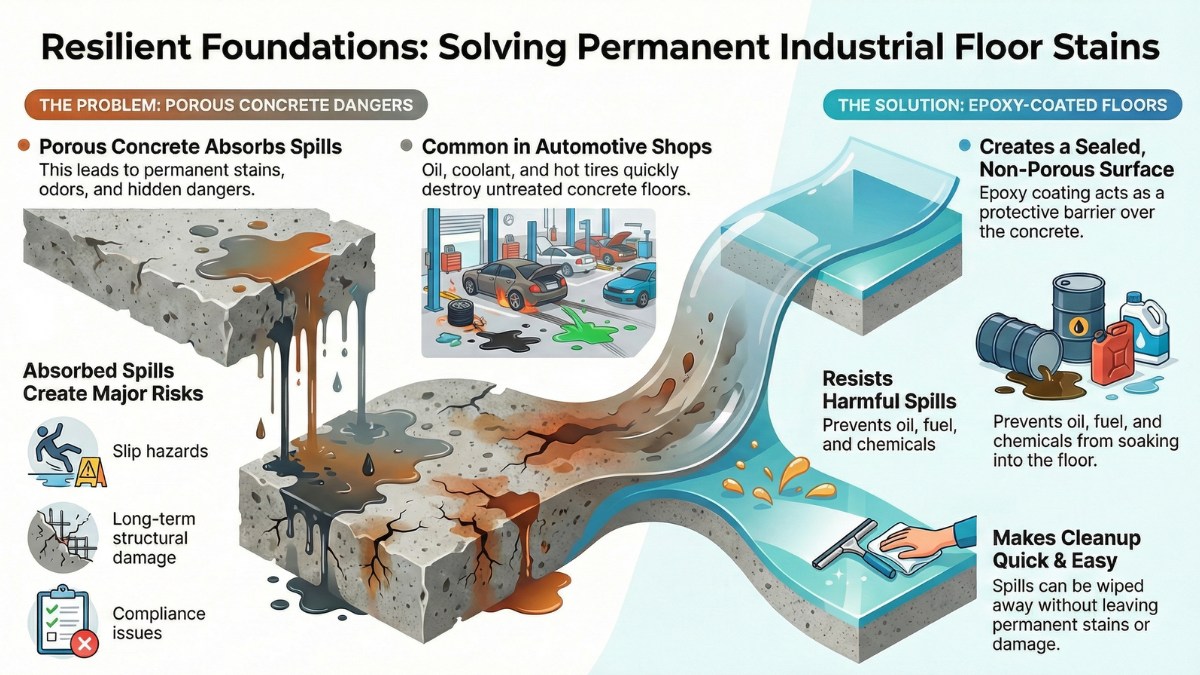
This is a common problem in automotive shops, where oil, coolant, and hot tires quickly destroy untreated concrete. Epoxy-coated floors create a sealed, non-porous surface that resists spills and makes cleanup easy.
3. Slippery or Unsafe Working Conditions
If employees avoid certain areas or you’ve added warning signs just to manage risk, that’s a red flag.
Industrial floors should improve safety, not create hazards. Worn surfaces lose traction, especially when exposed to moisture, oils, or dust. This is critical in environments like airplane hangars, where smooth movement is essential but safety cannot be compromised. Modern epoxy systems can be customized with anti-slip finishes while still supporting heavy aircraft loads.
4. Failing Hygiene or Compliance Standards
In regulated environments, flooring isn’t just about durability. It’s about compliance.
Cracks, grout lines, and porous surfaces trap bacteria and contaminants, making proper sanitation nearly impossible. This is why pharmaceutical labs and cleanroom facilities rely on seamless epoxy floors that resist chemical spills and support strict hygiene protocols.
If inspections are becoming stressful or cleaning takes longer than it should, your floor may be the problem.
5. Moisture Damage or Persistent Odors
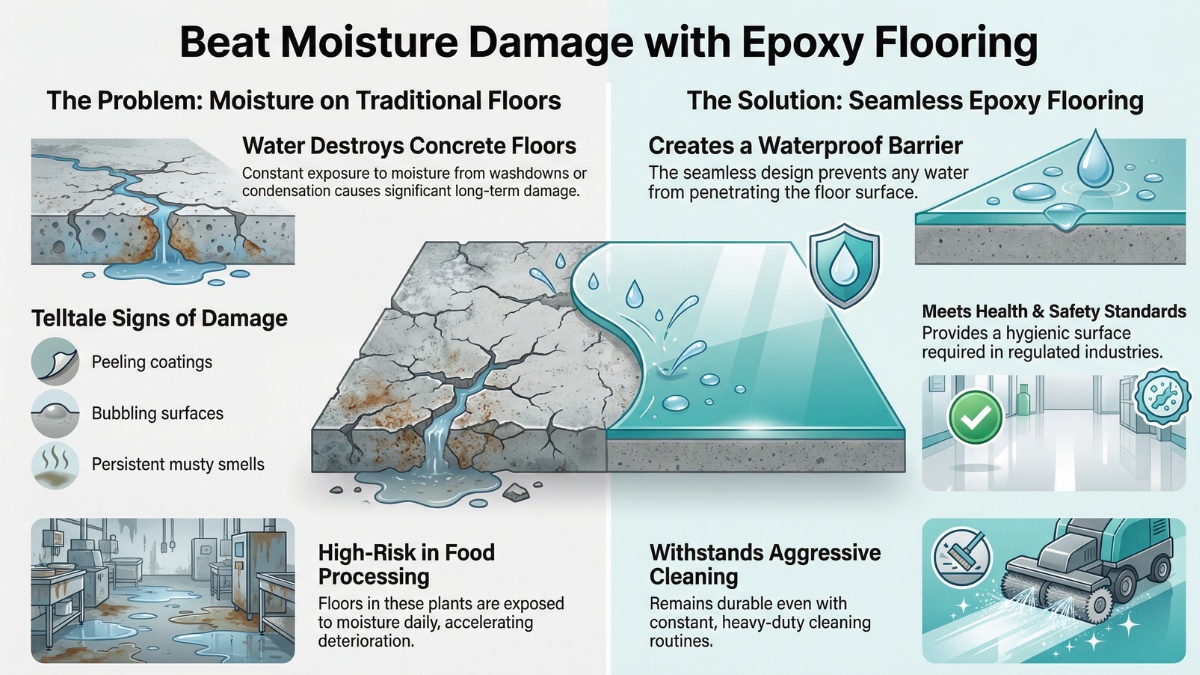
Water intrusion, condensation, or constant washdowns can destroy traditional concrete floors over time. You might notice:
- Peeling coatings
- Bubbling surfaces
- Musty smells
This is especially common in food processing plants, where floors are exposed to moisture daily. Seamless epoxy flooring prevents water penetration, meets health standards, and stands up to aggressive cleaning routines.
6. Constant Repairs and Downtime
If you’re patching cracks every few months or scheduling repairs that disrupt operations, replacement is often the smarter long-term move.
Industrial epoxy flooring systems are designed to:
- Reduce maintenance costs
- Minimize downtime
- Extend floor lifespan by years
Facilities that upgrade once often avoid repeated repairs altogether.
7. Your Floor No Longer Matches Your Operation
Operations evolve. Your floor should too.
Heavier equipment, higher traffic, stricter regulations, or new production processes can outgrow an old floor fast. Facilities like manufacturing plants and aircraft hangars need flooring systems engineered for today’s demands, not yesterday’s layout.
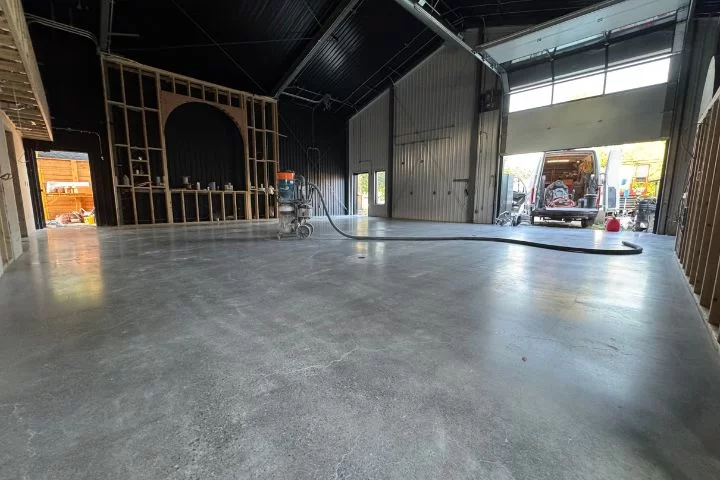
Industrial floors don’t just support your operation. They protect your people, equipment, and productivity.
If your floor is cracked, unsafe, hard to clean, or constantly under repair, replacing it with a purpose-built epoxy flooring system can save money, improve safety, and future-proof your facility.
Whether it’s an aircraft hangar, pharma lab floors, automotive shop floors, manufacturing facility floors, or food processing plant, the right flooring solution isn’t a luxury. It’s infrastructure.